Performance Level Sil
The type, Safety Integrity Level (SIL) and Performance Level (PL) are classifications of safetyrelated components The IEC standard series for example sets out criteria for the design and testing of electro sensitive protective equipment (ESPE) Modern ESPE generally takes the form of.
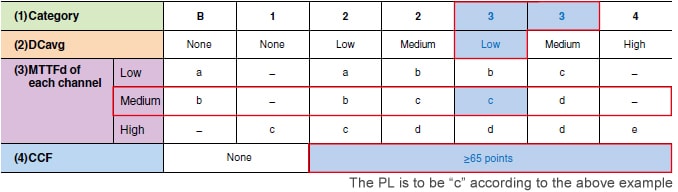
Performance level sil. The exact settings depend on category and DCavg See appendix K of ISO for more information. The reliability of a single component or assembly of components (ie the machine) is designated as either its Safety Integrity Level (SIL) or Performance Level (PL) In both cases, the corresponding SIL or PL value is determined based on the calculated ‘statistical probability of failure’. Three levels are envisaged SIL 1, SIL 2, SIL 3 Average probability of serious failure per hour (PFH d) Tabella 3 di IEC 661 Thus, the SIL represents the safety level to be assigned to a SRECS for attainment of its safety integrity in the operating conditions and all the way through the time specified.
Performance Level d (PLd) is the standard option on MTS Landmark Test Systems that are using hydraulic pressure of lpm (1530 gpm) This solution requires a load frame with test area enclosure*, a FlexTest controller and a load frame station supervisor It includes cables and hose kit. SIL 3 is a Safety Integrity Level that is appropriate for very specific and rare situations, in which a high level of riskreduction performance by a SIF is required The actual need for SIL 3 must be determined through an accurate and thorough SIL determination , and through a reassessment , also in consideration of the additional costs. In (somewhat) simple terms, SIL is a measurement of performance or probability of failure on demand (PFD) required for a Safety Instrumented Function (SIF) within a Safety Instrumented System (SIS) based on the ANSI/ISA 84, IEC , and IEC standards.
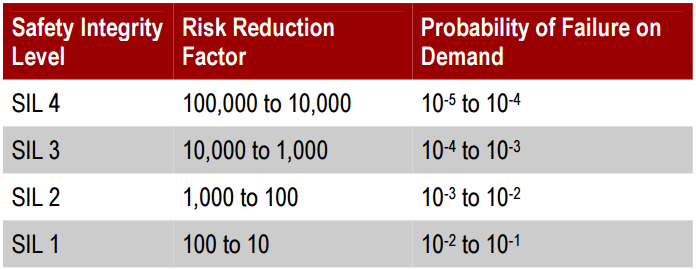
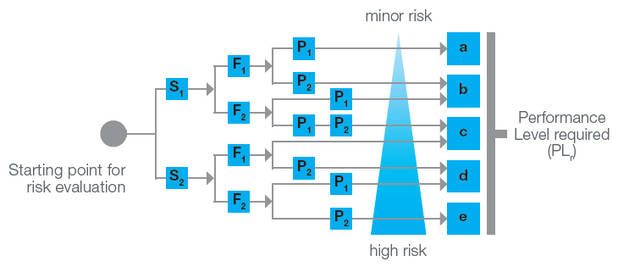
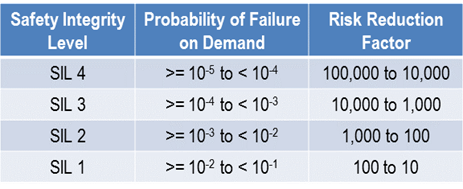
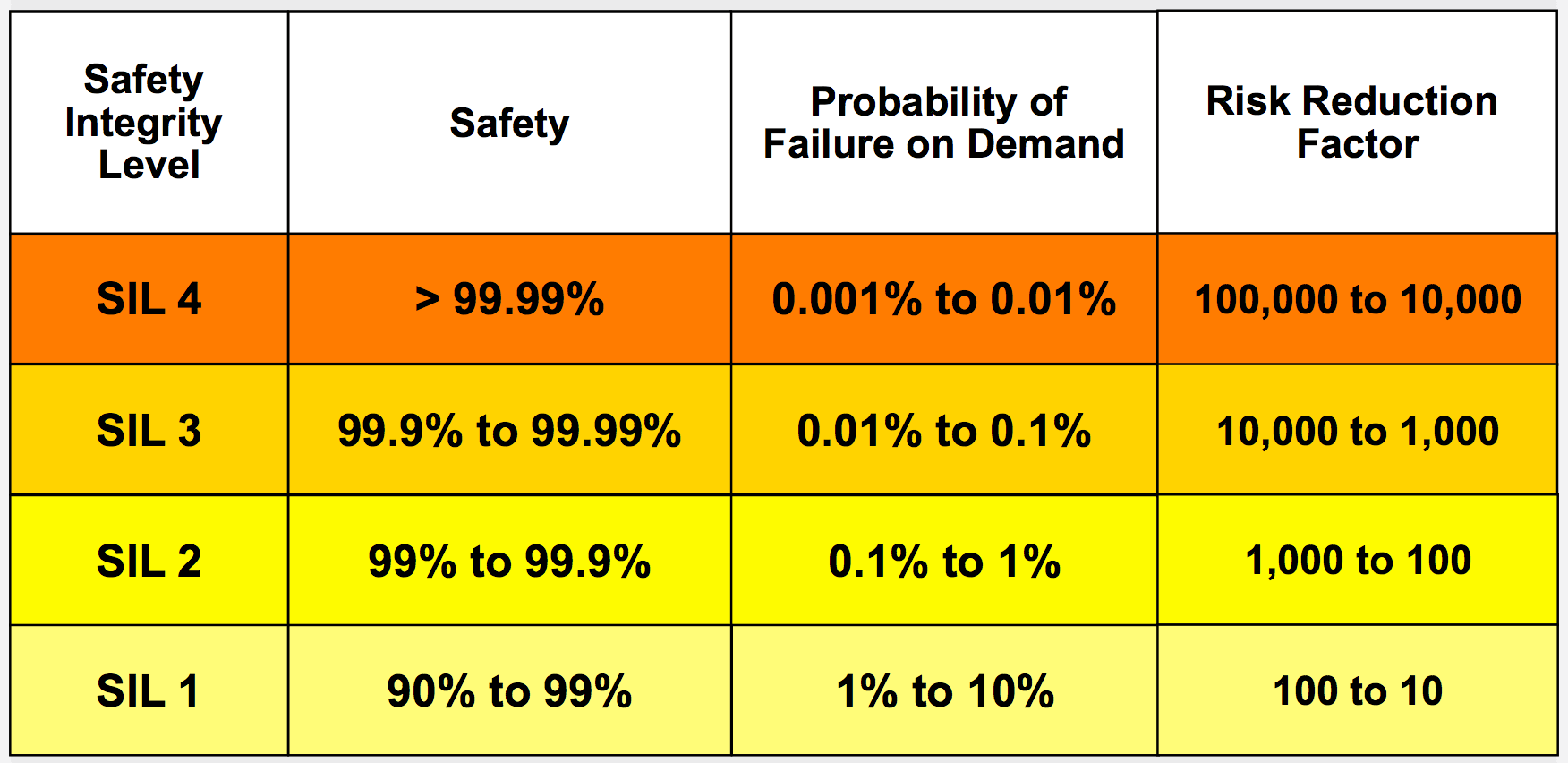
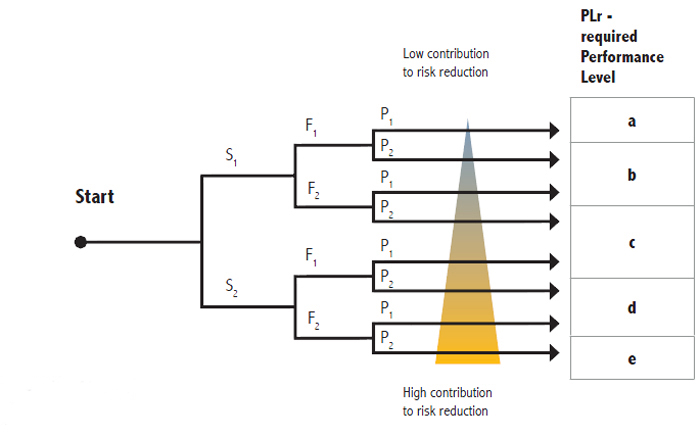
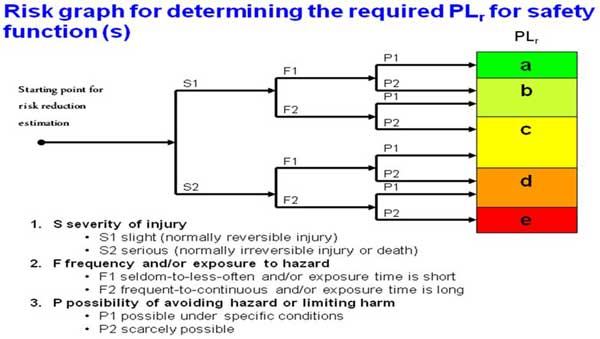
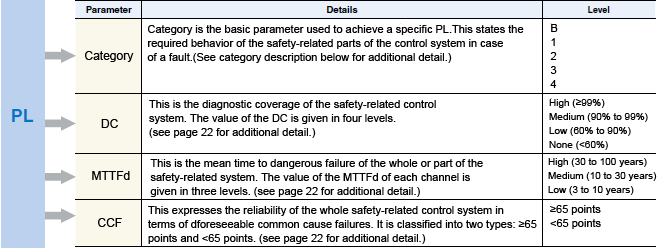
The performance level (PL) is a value used to define the ability of safetyrelated parts of control systems to perform a safety function under foreseeable conditions On the other hand, the required performance level (PLr) is used in order to achieve the required risk reduction for each safety function. SIL stands for Safety Integrity Level A SIL is a measure of safety system performance, in terms of probability of failure on demand (PFD) This convention was chosen based on the numbers it is easier to express the probability of failure rather than that of proper performance (eg, 1 in 100,000 vs 99,999 in 100,000). These two new standards, safety integrity level (sil) or performance level (pl), define new safety aspects.
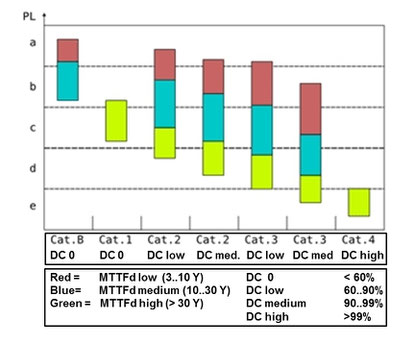
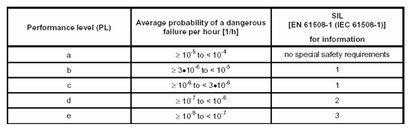
Performance level is just a stepped representation of MTTFd into 5 ranges The following table is an approximation;. QUESTION Is it possible to achieve Performance Level PL d with Category 3 according to ISO or SIL 2 according to IEC 661 with application of only one SIRIUS Position switch with or without solenoid interlocking (type 2) or only one SIRIUS Hinge switch?. Depending on the components used, the PAScal Safety Calculator calculates the PL (Performance Level) and SIL (Safety Integrity Level) achievable for safety functions on plant and machinery The result is verified with the required PL in accordance with EN ISO / SIL in accordance with EN/IEC 661 The tool will indicate any action that is.
These two new standards, safety integrity level (sil) or performance level (pl), define new safety aspects. The term Safety Integrity Level (SIL) is now fairly familiar to most process plants with hazards that require independent protection layers, albeit SIL is often misunderstood to apply to individual equipment items When correctly applied, a SIL requirement from SIL 1 to SIL 4 can be assigned to an endtoend safety function to provide a marker of the level of integrity required for equipment. Safety Integrity Level (SIL) indicates the degree of risk reduction, provided by an Instrumented Safety Function (SIF), implemented by a Safety Instrumented System (SIS), within a given process In other words, SIL is a measure of the SIF’s performance, in terms of Probability of Failure on Demand (PFD).
Safety Integrity Level (SIL) / Background SIL Determination Safety Integrity Level (SIL) is defined as a relative level of riskreduction provided by a safety function, or to specify a target level of risk reduction In (somewhat) simple terms, SIL is a measurement of performance or probability of failure on demand (PFD) required. Usually SIL study is carried out once the HAZOP study is completed for a project Safety performance criteria for SIS is defined by Safety Integrity Level (SIL) of the known loop SIL is AN instrumented safety system that's designed in accordance with the IEC and IEC standards. 1996 will be fully replaced in December, 11 by EN/ISO ;.
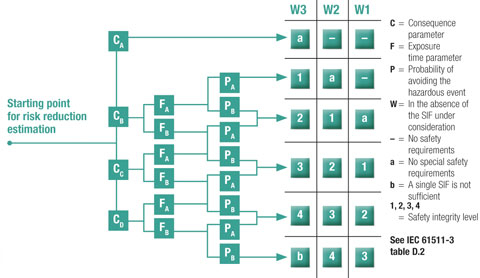
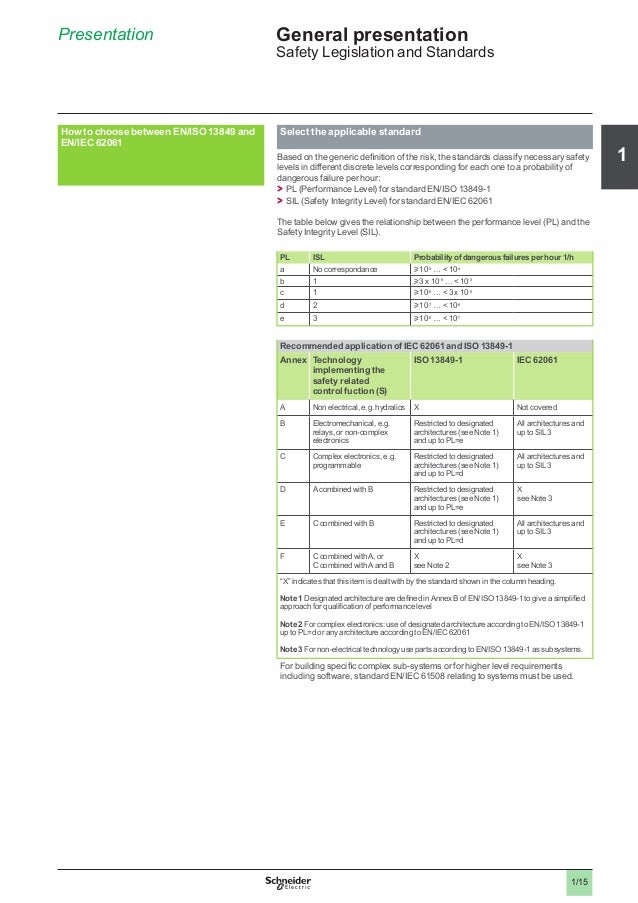
In different industrial sectors risk assessment is fundamental step to determine required safety integrity level (SIL), eventually performance level (PL), which guarantees risk linked to some. IEC 661 addresses SIL levels and ISO addresses Performance Levels While there are two different standards, the scope of each standard is very similar Note that either a SIL or Performance Level would be used, but not both The figure below shows an overview of the risk assessment process. Performance Level d (PLd) is the standard option on MTS Landmark Test Systems that are using hydraulic pressure of lpm (1530 gpm) This solution requires a load frame with test area enclosure*, a FlexTest controller and a load frame station supervisor It includes cables and hose kit.
Over the next ten years picture a safety circuit with six safety certified components and four are certified to Performance Level (PLx) and the other two are certified to Catx!. Functional Safety (SIL) Functional Safety for Process Instrumentation and Analytics Since the IEC and IEC standards for functional safety came into effect, demand has increased for process instrumentation and analytics devices conforming to the Safety Integrity Level (SIL) classification. SIL stands for Safety Integrity Level A SIL is a measure of safety system performance, in terms of probability of failure on demand (PFD) This convention was chosen based on the numbers it is easier to express the probability of failure rather than that of proper performance (eg, 1 in 100,000 vs 99,999 in 100,000).
Or as a Required Performance Level (PLr) per the requirements of ISO. Safety Integrity Level (SIL) Functional safety in accordance with EN IEC 661 EN/IEC 661 represents a sectorspecific standard under IEC It describes the implementation of safetyrelated electrical control systems on machinery and examines the overall lifecycle from the concept phase through to decommissioning. In the machine safety environment this activity is often referred to as SIL or PLr Determination because the performance requirement of a safety function is expressed as a Safety Integrity Level (SIL) per the requirements of IEC661;.
Safety Integrity Level (SIL) including Performance Level PLe (Category 4) according to ISO This publication covers both 1756 and 1768 GuardLogix controller systems When ‘GuardLogix controllers’ is used alone in this publication, it refers to both. Safety Integrity Level (SIL) indicates the degree of risk reduction, provided by an Instrumented Safety Function (SIF), implemented by a Safety Instrumented System (SIS), within a given process In other words, SIL is a measure of the SIF’s performance, in terms of Probability of Failure on Demand (PFD). True, the European Machinery Directive has ruled that EN 9541;.
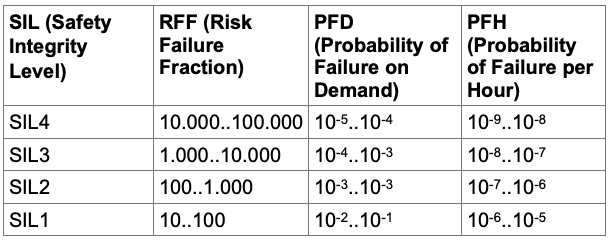
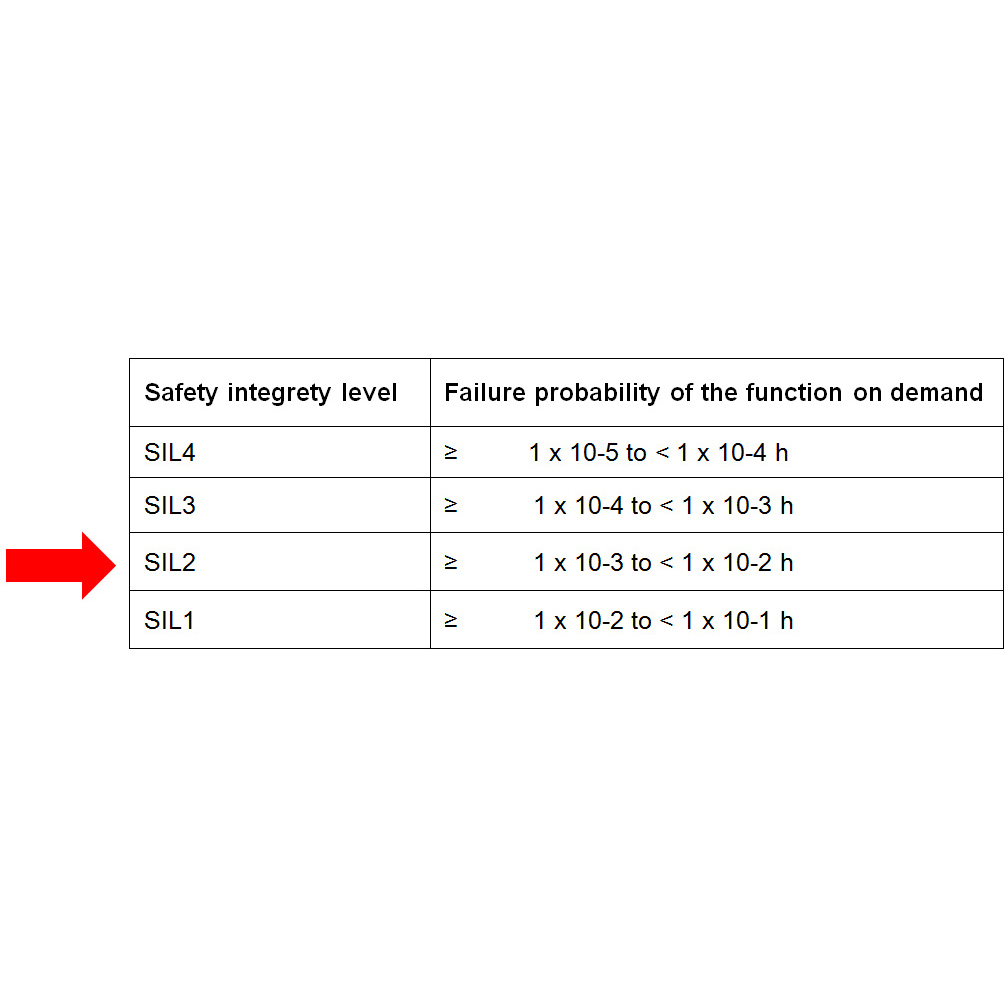
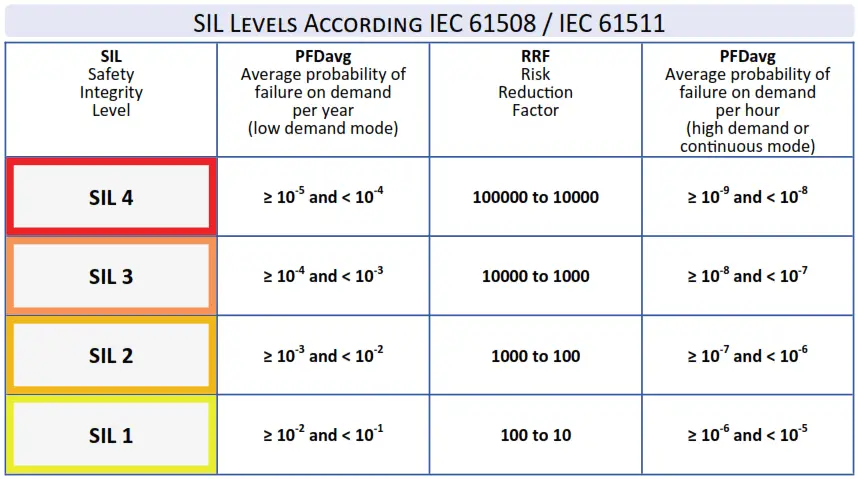
The higher the numerical value of the safety integrity level (SIL), the greater the reduction in risk This means the SIL is the dimension for the probability that the safety system can correctly fulfill the required safety functions for a specific time frame The average probability of failure (PFD or. Safety Integrity Level (SIL) and Performance Level (PL)—History and Distinction Speaking of ways to rate systems for use in today’s safety applications, the acronyms SIL (safety integrity level), PL (performance level), and SILCL (SIL claim level) come to mind. Achievement of Performance Level PL d with Category 3 according to ISO or SIL 2 according to IEC 661 with application of only one SIRIUS Position switch with or without solenoid interlocking (type 2) or only one SIRIUS Hinge switch.
Safety Integrity Level Safety Integrity Level it is a discrete level (one out of a possible four) for specifying the safety integrity requirements of the safety functions to be allocated to the E/E/PE safetyrelated systems;. Safety Integrity Level (SIL) or Performance Level (PL) The new Machinery Directive (06/42/EC) was issued on 29 December 09 The scope of the new Machinery Directive has changed in a number of respects compared to its previous version A number of standards that fall under the Machinery Directive also change. Safety Integrity Level Safety Integrity Level it is a discrete level (one out of a possible four) for specifying the safety integrity requirements of the safety functions to be allocated to the E/E/PE safetyrelated systems;.
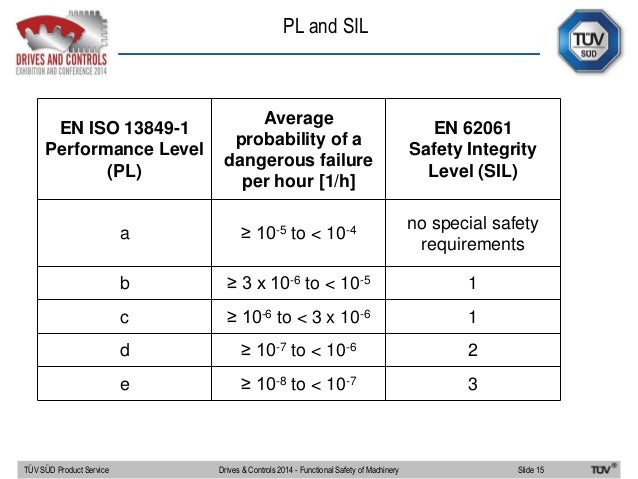
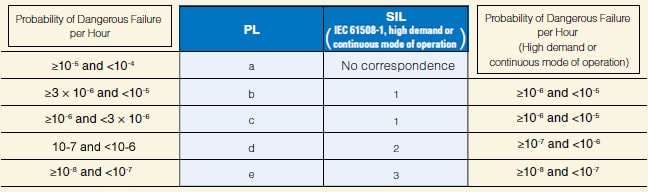
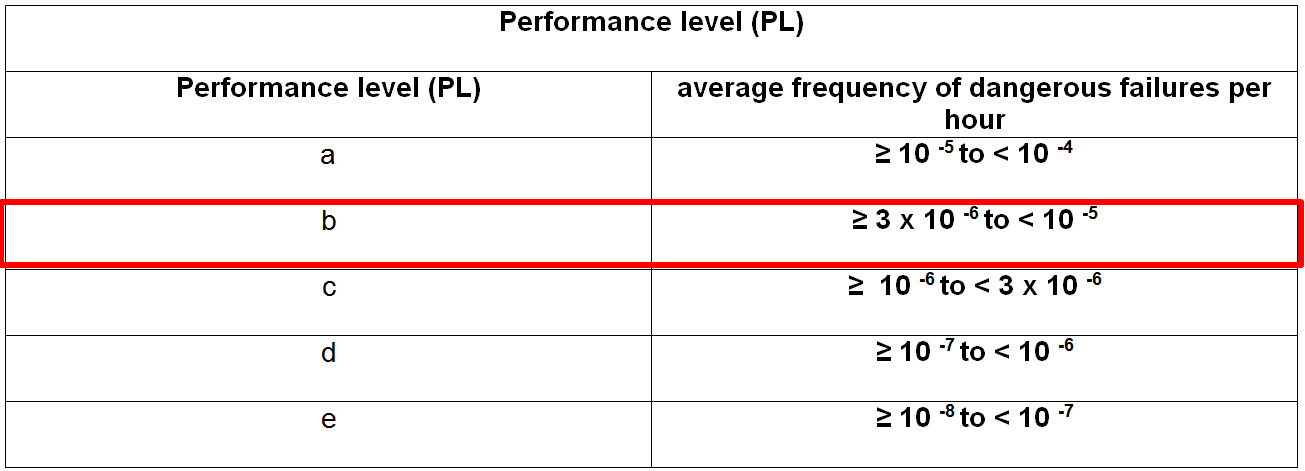
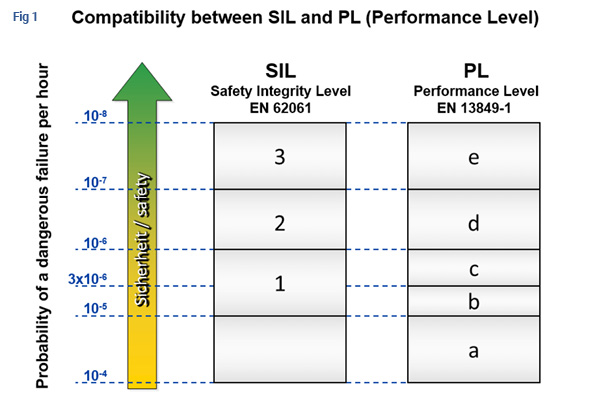
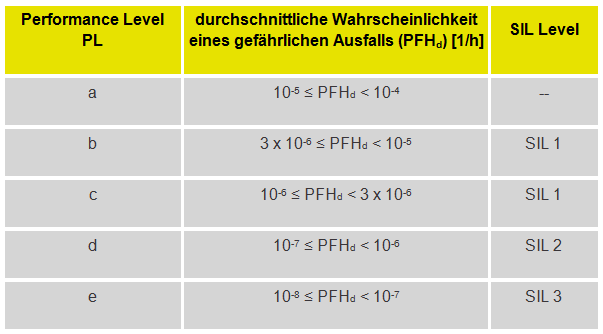
Is the outcome clear?. As defined in the IEC standards, there are four SIL Levels (14) A higher SIL Level means a greater process hazard and a higher level of protection required from the SIS To generalize how SIL Level is determined, see Figure 1 SIL Level is a function of hazard frequency and hazard severity. Both SIL (Safety Integrity Level) and PL (Performance Level) are measures of the reduction in risk provided by a safety function of a control system For systems that are operating continuously, SIL and PL are both defined as ranges of the probability of dangerous failure per hour and they overlap.
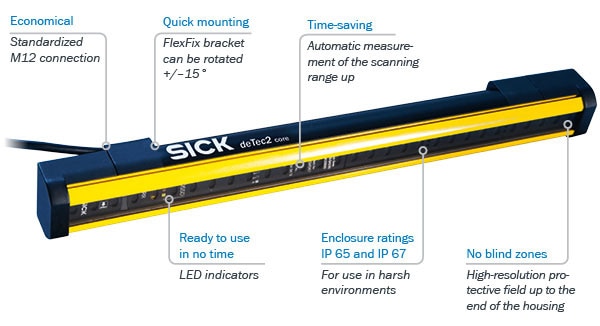
Putting simple safety Integrity level is a measure of performance required from a safety instrumented system to. Performance Level Safety Curtain Category Safety Integrity Level No of Beams Sort Acending Sort Decending Sort Acending Sort Decending Sort Acending Sort Decending Sort Acending Sort Decending XUSL4E14F046N 52Y2786 Data Sheet RoHS Safety Light Curtain, PL e, Level 4, SIL3, SIL CL3, 45, 460 mm, 6 m. If you design products or systems that perform safety functions with a safety integrity level (SIL 1, 2, 3 or 4), or performance level (PL a to e) then we can help you See how our customers have benefited from our services and what they are saying about us.
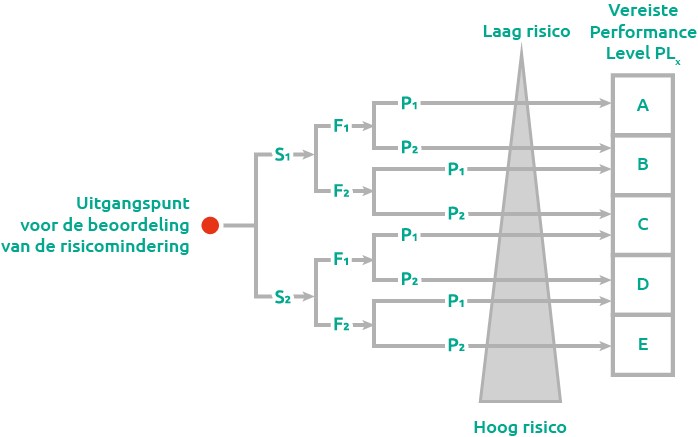
The “safety life cycle” and the “safety integrity level” (SIL) form the basis for the application of this international standard The safetyrelated systems considered in the standard are based on electrical (E) /, electronic (E) / and programmable electronic (PE) technology. Based on this assessment, either a Safety Integrated Level (SIL) (SIL1, SIL2, or SIL3) or a Performance Level (PL) (PLa, PLb, PLc, PLd, or PLe) is assigned to each part of the machine IEC 661 addresses SIL levels and ISO addresses Performance Levels While there are two different standards, the scope of each standard is very similar. IEC 661 addresses SIL levels and ISO addresses Performance Levels While there are two different standards, the scope of each standard is very similar Note that either a SIL or Performance Level would be used, but not both The figure below shows an overview of the risk assessment process.
SIL stands for Safety Integrity Level A SIL is a measure of safety system performance, in terms of probability of failure on demand (PFD) This convention was chosen based on the numbers it is easier to express the probability of failure rather than that of proper performance (eg, 1 in 100,000 vs 99,999 in 100,000). This is below SIL 1 performance (a Risk Reduction Factor between 10 and 100, as shown in Table 1) Therefore, debating on the level of performance of the fire & gas system hardware alone may prove to be of little worth In this example – which is realistic – the overall system will never meet SIL 1 performance no matter what hardware is used. I due sistemi forniscono risultati molto simili e i livelli SIL (Safety Integrity Levels) e PL (Performance Levels) sono paragonabili (vedere Tabella 7) Questo documento riporta esempi di risultati di sicurezza e integrità per entrambe le norme ISO , per la realizzazione di macchine sicure.
Historically, SIL (Safety Integrity Level) is often used as a synonym for functional safety SIL refers to the functional safety rating of the predominant functional safety standard the IEC and its numerous derivate standards such as IEC 661 and IEC This content was submitted directly to this website by the supplier. The most important safety directives and standards available today are SIL (Safety Integrity Level) and PL (Performance Level) These directives are derived from the IEC /IEC and DIN EN ISO standards They specify under which circumstances systems must still perform their function (without failure) An important index of the. The purpose of this procedure is to describe the recommended practice for performing Safety Integrity Level (SIL) assessment & verification studies of identified Instrumented Protective Functions 2.
Functional Safety—Safety Integrity Level (SIL) and Performance Level (PL) Basic Knowledge on Safety Integrity Level (SIL) and Performance Level (PL) Technical equipment can pose a safety risk so dangerous that people should not be exposed to the equipment In such cases, the relevant risks must be reduced to meet the need for safe operation. Safety Integrity Level (SIL) EN 661 defines how to determine the Safety Integrity Level (SIL) SIL represents the reliability of safety functions Four SIL levels are possible 1, 2, 3, and 4 ‘SIL 4’ is the highest level of safety integrity and ‘SIL 1’ the lowest Only levels 13 are used in machinery See the example on page 12. EN ISO and Safety Performance Levels 2 Introduction EN ISO is the most important standard for regulating the basic principles and performance required of a safety control SIL PFHd PL Category MTTFd (year) DC avg (%) B10d Note Noncontact Door Switch.
Stipulated Performance Level PL d with Category 3 according to ISO or SIL due to IEC 661) Possible constructive measures (high protection against failure) can be like this • Protection against self loosening (eg welding, riveting). The Safety Integrity Level SIL and the Performance Level PL are based on the standards IEC /IEC and EN ISO The safety integrity levels SIL 1 to 4, classified in the standards IEC /IEC , are used for the evaluation of electrical/ electronic/programmable electronic (E/E/PE) systems in. Safety Integrity Level (SIL) or Performance Level (PL) The new Machinery Directive (06/42/EC) was issued on 29 December 09 The scope of the new Machinery Directive has changed in a number of respects compared to its previous version A number of standards that fall under the Machinery Directive also change Among other things, the familiar.
Subscribe for Updates Hardware and software safety systems in the industrial sector are becoming increasingly complex. The SIL expresses the required risk reduction or performance for the SIF This assessment, called SIL determination, defines the required performance or “target SIL” for the SIF, and a target Average Probability of Failure on Demand (PFD), representing the maximum value allowed in the range of a target SIL. Putting simple safety Integrity level is a measure of performance required from a safety instrumented system to.
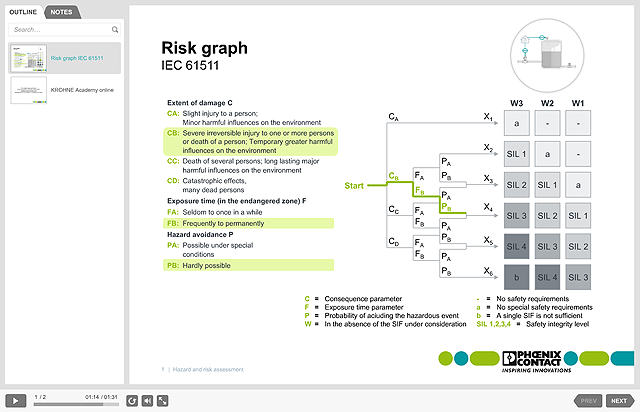
•Black boxes with assigned SIL levels are mandatory •Grey boxes with no SIL level assigned means recommended other measures •A specific hazard with Se=3, Fr=4 and Pr=5 and an Av=5 will be –CI = Fr Pr Av –CI=455 =14 for Se of 3 –Which leads to SIL=3. SIL is a relative level of risk reduction provided by a safety function SIL ratings correlate to frequency and severity of hazards They determine the performance required to maintain and achieve safety — and the probability of failure There are four SILs — SIL 1, SIL 2, SIL 3, and SIL 4. Safety Integrity Level (SIL) & Performance Level (PL) Certification Delivering real business benefits across key segments // Contact us 44 (0)14 ;.
In simple terms, SIL is a measurement of performance required for a SIF In the European Functional Safety standards based on the IEC standard, four SILs are defined, with SIL 4 being the most dependable and SIL 1 being the least. SIL Levels (as per IEC ) There are four discrete integrity levels associated with SIL SIL 1, SIL 2, SIL 3, and SIL 4 The higher the SIL level, the higher the associated safety level, and the. Safety Integrity Level (SIL) is a measure of safety system performance – not a measure of process risk The higher the level of risk, the greater the system performance required.
•Safety Integrity Level (SIL) –Discrete level (one out of a possible three) for specifying the safety integrity requirements of the safetyrelated control functions to be allocated to the SRECS •Probability of Dangerous Failure per hour (PFHd) –Average probability of dangerous failure within 1 h. Automotive Safety Integrity Level (ASIL) is a risk classification scheme defined by the ISO Functional Safety for Road Vehicles standard This is an adaptation of the Safety Integrity Level (SIL) used in IEC for the automotive industry. SIL Levels (as per IEC ) There are four discrete integrity levels associated with SIL SIL 1, SIL 2, SIL 3, and SIL 4 The higher the SIL level, the higher the associated safety level, and the.

Terminology Explained What Is Safety Integrity Level Sil Dnv Gl Software

Control Engineering Machine Safety Can One Channel Mitigate A Cat 3 Pld Functional Requirement

Sil And Pl Certified Digital Proportional Valves Offer New Design Opportunities Hydraulics Pneumatics
Performance Level Sil のギャラリー

Sil 3 Sil 2 And Unicorns There Is A High Probability Your Sil 2 And Sil 3 Sifs Have No Better Performance Than Sil 1 Semantic Scholar
En 1 Sil 2 Pl D Mttfd Etc And What Does It Mean For Crane Safety Systems Kst Systemss Webseite

Phoenix Contact Standards And Directives

Safety Integrity Level Sil And Performance Level Pl Logic Srl

Safety Integrity Level An Overview Sciencedirect Topics

Terminology Explained What Is Safety Integrity Level Sil Dnv Gl Software

Determine Safety Integrity Levels Sil For Process Applications

Pdf Improvements In The Performance Of An Sis By Bypass Reduction On The Safety Functions

Pdf An Iso Compliant Safety System For Human Workers In Human Robot Interaction Work Environment

Table 3 From Safety Integrity Level Sil Versus Full Quantitative Risk Value Nienaruszalnosc Bezpieczenstwa A Wartosc Ryzyka Semantic Scholar

Difference Between Sis Plc And Bpcs Systems
Safety Integrity Level Sil Risk Analysis
Pl Parameters Safety Knowledge Keyence
Pflex Um003 En P

Identifying Safety Instrumented Functions In Burner Management Systems 05 08 Process Heating

Terminology Explained What Is Safety Integrity Level Sil Dnv Gl Software

2 4 Safety Related Parts Of Control Systems Leuze The Sensor People
Importance Of Safety Integrity Level Sil Instrumentation Tools

Functional Safety And Industry 4 0 Analog Devices
Safety For Machines Pl Pfannenberg

Safety Integrity Level Sil Certification
Simatic S7 F P Press Safety Blocks Id Industry Support Siemens
What Does Sil Stand For In Safety Indelac Controls Inc

Terminology Explained What Is Safety Integrity Level Sil Dnv Gl Software
Difference Between Sis Plc And Bpcs Systems Instrumentation Tools

Safety Update This Presentation Covers Machinery Directive 06 42 Ec Ppt Download

What S The Difference Between Pl And Sil Machine Safety Standards
Tuev Sued Drives And Controls 14 Presentation

Understanding Functional Safety In The Process Industries
Difference Between En Iso And En Iec 661

What S The Difference Between Pl And Sil Machine Safety Standards
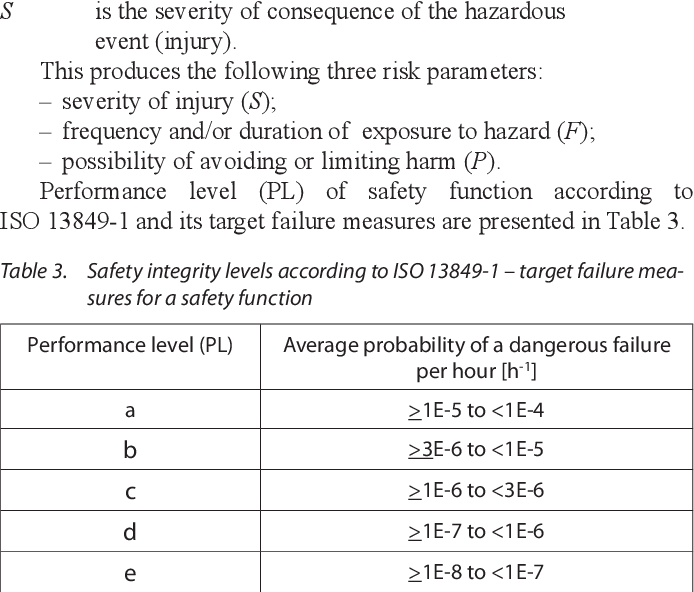
Table 3 From Safety Integrity Level Sil Versus Full Quantitative Risk Value Nienaruszalnosc Bezpieczenstwa A Wartosc Ryzyka Semantic Scholar

Safety Integrity Level An Overview Sciencedirect Topics

Functional Safety Adds To Reliability Of Safety Systems
Sick Extends Portfolio To New Pl And Sil Requirements Sick

What Are Functional Safety Standards For Servo Drives

Functional Safety Part 2 Of 2 Machine Design

What Are Functional Safety Standards For Servo Drives
Probability Of Failure In Functional Safety Systems

Functional Safety Sil Pl
Sil Pl What Is The Probability Of Failure Of A Safety Function Wika Blog

Safety Integrity Level Explained Malefasr
Pl Parameters Safety Knowledge Keyence

Functional Safety For Integrated Circuits Analog Devices
What Are Functional Safety Standards For Servo Drives

Safety Instrumented Systems Sis Design And Assessment Of Protective Systems Process Safety Performance Abb

Functional Safety Sil Pl

Safety Update This Presentation Covers Machinery Directive 06 42 Ec Ppt Download

Functional Safety Sil Pl

Safety Integrated Level And Performance Levels For Machine Safety
En 1 Sil 2 Pl D Mttfd Etc And What Does It Mean For Crane Safety Systems Kst Systemss Webseite
Sil Pl What Is The Probability Of Failure Of A Safety Function Wika Blog

Reliability Of Measuring Systems And Safety Instrumented Systems Smar Technology Company
Functional Safety Sil Iec Elearning Course

Functional Safety In Manufacturing Plant Operations

Functional Safety And Industry 4 0 Analog Devices

What S The Difference Between Pl And Sil Machine Safety Standards
Wat Zijn De Verschillen Tussen Safety Integrity Level Sil En Performance Level Pl Istec International

Safety Integrity Level An Overview Sciencedirect Topics

Control Engineering Machine Safety 13 Terms To Know For Compliance With Functional Safety Iso 1

Pdf Safety Standards In Industrial Applications A Requirement For Fail Safe Systems

Compliance With Iec In The Process Industry
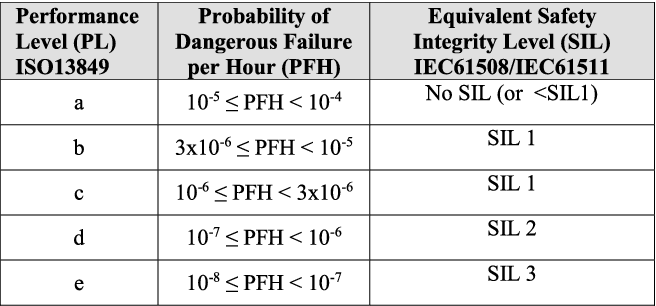
Table 6 From Design And Evaluation Of Safety Instrumented Systems A Simplified And Enhanced Approach Semantic Scholar

Mynd Safety Instagram Profile With Posts And Stories Picuki Com

Motrona Gmbh Speed Monitors With Sil3 Ple Sil2 Pld Certificate

Terminology Explained What Is Safety Integrity Level Sil Dnv Gl Software
Understanding Safety Integrity Level Iec Instrumentation Tools
Control Engineering En Iso 1 The Quantitative Approach To Machine Safety Begins With A Qualitative Process

Safety Integrated Level And Performance Levels For Machine Safety

Safety Integrity Level An Overview Sciencedirect Topics

Safety Integrity Level Sil And Performance Level Pl Dis Sensors

Wishiknew What Is Safety Integrity Level For Level Transmitters Visaya Visaya
Difference Between Sis Plc And Bpcs Systems By Ifluids Engineering Dec Medium
Land Sea Adapting Land Based Pressure Sensing To Deepsea Technologies Fluid Power Journal

Essentials Of Machine Safety Standards In Perspective Ppt Download

Safety Integrity Level Sil The Categories Of Fre Quencies And Download Scientific Diagram

What S The Difference Between Pl And Sil Machine Safety Standards

What S The Difference Between Pl And Sil Machine Safety Standards
Pl Parameters Safety Knowledge Keyence

Process Engineering Get Full Value From Partial Stroking Chemical Processing
Umrechnung Von Performance Level Pl Auf Sicherheits Integritatslevel Sil

Sil Why Is That Important To Me An Overall Introduction To Standards And Concepts Cenosco

Fire And Gas Safety Systems For Oil And Gas Applications International Fire Protection

Difference Between Sis Plc And Bpcs Systems

Sil Why Is That Important To Me An Overall Introduction To Standards And Concepts Cenosco


